What Areas Can Be Treated with Body Contouring
- Ali Shahbaz
- 4 days ago
- 5 min read

Body contouring has become an increasingly popular approach for individuals who want to refine and enhance specific areas of their body without changing their overall natural structure. It focuses on reshaping and improving body proportions rather than simply reducing size, making it an appealing option for those seeking more definition and balance. In many parts of the world where aesthetic wellness is widely appreciated, including body contouring abu dhabi, interest continues to grow among people who want to understand which areas of the body can be treated and how targeted refinement can contribute to a more harmonious silhouette.
Understanding the Purpose of Body Contouring
Body contouring is designed to enhance the body’s natural shape by addressing areas that may not respond easily to lifestyle efforts alone. Instead of focusing on overall transformation, it works by refining specific regions to create smoother transitions and improved body proportions. This targeted approach allows individuals to focus on areas that feel disproportionate or less defined while maintaining their natural identity.
The purpose is not to alter who a person is, but to bring balance and symmetry to the body’s overall appearance. By working with the body’s structure, contouring supports a more sculpted and refined look that aligns with personal aesthetic goals.
Abdomen and Waist Area Refinement
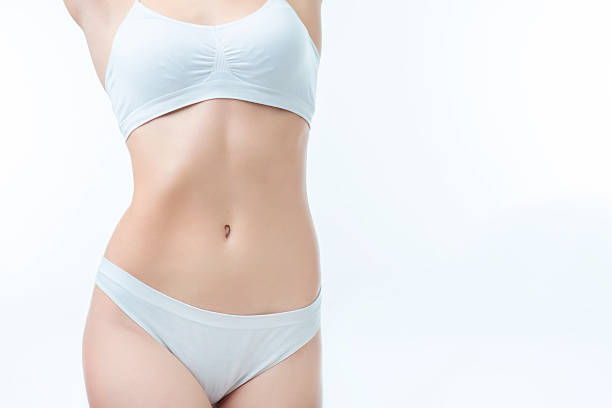
One of the most commonly discussed areas for body contouring is the abdominal region. The midsection plays a central role in overall body shape, and even small changes in this area can significantly influence appearance. Many individuals seek refinement in the abdomen to achieve a smoother and more defined silhouette.
The waist area is closely connected to this region and often benefits from contouring techniques that enhance its natural curve. A more defined waistline can create a balanced contrast between the upper and lower body, contributing to an overall hourglass or athletic appearance depending on individual body structure.
Thighs and Lower Body Contouring
The thighs are another key area where body contouring is frequently applied. This region can naturally hold uneven distribution of shape, and contouring helps create a more streamlined and proportionate look. Whether focusing on the inner thighs, outer thighs, or overall leg shape, the goal is to achieve smoother transitions and improved symmetry.
Lower body contouring also extends to the area around the hips and upper legs. Enhancing these regions can improve overall leg proportion and create a more balanced silhouette. When combined with waist refinement, lower body contouring contributes to a cohesive and well-shaped appearance.
Arms and Upper Body Definition
The arms are often an important focus for individuals seeking a more toned and defined upper body appearance. This area can be refined to create smoother lines and improved shape, contributing to a more confident and proportionate look when wearing various types of clothing.
Upper body contouring is not limited to the arms alone. It can also include the shoulder area and upper back, where subtle improvements can enhance posture and overall body balance. These refinements help create a more structured and elegant upper silhouette that complements the rest of the body.
Back and Flank Areas
The back and flank regions, often referred to as the sides of the torso, play a significant role in overall body shape. These areas can influence how the waist and upper body appear from different angles. Body contouring in this region focuses on creating smoother lines and reducing uneven transitions between the waist and back.
Improving the contour of the back and flanks can enhance the natural curve of the body and contribute to a more streamlined silhouette. This area is particularly important because it affects both front-facing and side profiles, making it a key component of full-body balance.
Chest and Upper Torso Balance
For individuals seeking upper body refinement, the chest area can also be part of body contouring considerations. The goal is to achieve proportional balance between the chest and surrounding regions, creating a more harmonious overall appearance.
Upper torso contouring can help enhance symmetry and improve how clothing fits across the upper body. When combined with arm and shoulder refinement, it contributes to a well-balanced and structured upper silhouette.
Buttocks and Lower Body Shape Enhancement
The buttocks are another commonly treated area in body contouring, as they play a central role in lower body aesthetics. Enhancing this region focuses on improving shape, projection, and balance in relation to the hips and thighs.
This type of contouring is often aimed at achieving a more lifted and rounded appearance that complements the natural proportions of the body. When balanced with thigh and waist refinement, it contributes to a cohesive lower body shape that appears smooth and well-proportioned.
Chin, Neck, and Jawline Definition
Beyond the body, contouring can also extend to the facial and neck region. The chin, neck, and jawline are important areas that influence overall facial harmony. Refining this region helps create a more defined and structured appearance that enhances facial balance.
Improving the contour of the neck and jawline can also contribute to a more youthful and refreshed look. These subtle changes often have a significant impact on overall appearance, as the face is one of the most noticeable features in daily interactions.
Holistic Body Balance and Proportion
While individual areas can be treated separately, body contouring is often most effective when viewed as a holistic approach. The body functions as a connected system, and changes in one area naturally influence the appearance of others. For example, refining the waist can enhance the appearance of the hips and shoulders, creating a more balanced overall silhouette.
This interconnected approach ensures that results appear natural and proportionate rather than isolated. The goal is to create harmony across all treated areas so that the body looks unified and well-balanced from every angle.
Long-Term Visual Harmony Across Treated Areas
Over time, the results of body contouring become part of the body’s overall structure, contributing to long-term visual harmony. As the body adjusts and stabilizes, the treated areas blend naturally with surrounding regions, creating a smooth and cohesive appearance.
This long-term integration is one of the reasons body contouring is valued by individuals seeking lasting refinement. The improvements are not limited to a single moment but continue to influence overall body perception as time goes on.
Conclusion
Body contouring can address a wide range of areas including the abdomen, waist, thighs, arms, back, chest, buttocks, and even the chin and neck. Each area contributes to the body’s overall shape, and refining these regions helps create a more balanced and proportionate appearance.
Rather than focusing on isolated changes, body contouring works best as a comprehensive approach that enhances the body’s natural structure. The result is a more harmonious silhouette that aligns with individual aesthetic goals while maintaining natural body identity.
FAQs
Which body area is most commonly treated with body contouring?
The abdomen and waist are among the most commonly treated areas because they significantly influence overall body shape and proportion.
Can body contouring treat multiple areas at the same time?
Yes, body contouring can focus on several areas to create a more balanced and harmonious overall appearance.
Is body contouring only for large areas of the body?
No, it can be applied to both large and small areas depending on individual goals and desired refinement.
Can facial areas be included in body contouring?
Yes, areas such as the chin, neck, and jawline can be refined to improve facial definition and balance.
Why is treating multiple areas important in body contouring?
Treating multiple areas helps create overall body harmony, ensuring that results look natural and proportionate from all angles.

Comments