How Safe Is Underarm Whitening for Different Skin Types
- Ali Shahbaz
- May 18
- 5 min read

Underarm whitening has become a widely discussed skincare approach for individuals who want a more even, refined, and brighter appearance in one of the most sensitive areas of the body. Because skin types vary significantly from person to person, questions about safety naturally arise, especially when considering long-term skin balance and comfort. Modern skin improvement concepts such as underarm whitening abu dhabi inspired approaches focus on adapting treatments to different skin needs, ensuring that improvements in tone and texture occur gradually while respecting the natural characteristics of each skin type.
Understanding Skin Type Differences in the Underarm Area
Skin types vary in terms of sensitivity, oil balance, pigmentation response, and texture. These differences play an important role in how the underarm area reacts to whitening approaches. The skin under the arms is naturally more delicate than many other parts of the body, which makes it more responsive to both internal and external influences.
For some individuals, the skin may be more prone to dryness and uneven texture, while others may experience higher oil production or stronger pigmentation responses. These variations mean that the same approach can produce different results depending on the skin type. Understanding these differences is essential for evaluating safety and effectiveness in underarm whitening.
Safety Considerations for Sensitive Skin Types
Sensitive skin requires extra attention because it reacts more easily to changes in environment and skincare routines. In the underarm area, sensitivity is often amplified due to constant friction and moisture. When whitening approaches are applied, the key safety factor is ensuring that the skin remains calm and balanced throughout the process.
Gentle, gradual methods are typically more suitable for sensitive skin types. These approaches allow the skin to adjust slowly without disrupting its natural protective barrier. When the skin remains stable, it is better able to support pigmentation balancing and texture refinement, making the process both safe and effective over time.
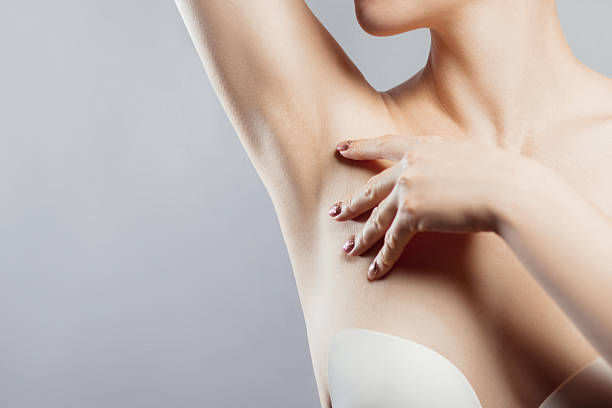
How Dry Skin Responds to Whitening Approaches
Dry skin in the underarm area often appears uneven and rough due to a lack of moisture and natural lubrication. This can make pigmentation irregularities more visible. When considering whitening approaches, hydration becomes a central factor in ensuring safety and comfort.
For dry skin types, gradual improvement methods that support moisture balance tend to be more suitable. When the skin retains adequate hydration, it becomes more resilient and better able to respond to tone correction processes. Over time, improved hydration contributes to smoother texture and a more even appearance, enhancing both safety and results.
Oily Skin and Its Reaction to Whitening Processes
Oily skin in the underarm area behaves differently due to increased sebum production. While natural oils help protect the skin, excess moisture can sometimes contribute to buildup and uneven tone. In whitening approaches, the challenge lies in maintaining balance without disrupting the skin’s natural protective functions.
When properly managed, oily skin can respond well to gradual whitening methods. The focus is on maintaining a clean and balanced surface that allows pigmentation correction to occur evenly. As the skin becomes more regulated, texture improves and tone becomes more uniform, contributing to a safer and more controlled outcome.
Normal Skin Types and Balanced Response
Normal skin types generally have a more stable balance between moisture, sensitivity, and oil production. In the underarm area, this means the skin is typically more adaptable to gradual whitening approaches. Because the skin barrier is already in a relatively balanced state, improvements in tone and texture tend to progress steadily.
For normal skin types, safety is often supported by consistency and moderation. When whitening approaches are applied in a gradual and balanced manner, the skin can improve evenly without major disruption. This makes normal skin one of the most adaptable types for underarm whitening processes.
Pigmentation Sensitivity Across Different Skin Types
One of the key safety considerations in underarm whitening is how different skin types respond to pigmentation changes. Some skin types naturally produce more melanin, which can lead to more visible darkening in response to friction or irritation. Others may show lighter or more uneven pigmentation patterns.
Safe whitening approaches take these differences into account by focusing on gradual pigment balance rather than rapid change. When melanin activity is supported in a controlled way, the skin can gradually achieve a more even tone without stress or imbalance. This slow progression is essential for maintaining safety across all skin types.
The Importance of Skin Barrier Health
The skin barrier plays a critical role in determining how safe underarm whitening is for different skin types. This barrier protects the skin from external stress while maintaining moisture and overall balance. When the barrier is strong, the skin is more likely to respond positively to whitening approaches.
In all skin types, maintaining barrier health ensures that the whitening process remains stable and comfortable. When the barrier is weakened, the skin may become more reactive, which can slow down progress. Supporting this natural defense system is therefore essential for safe and effective results.
Gradual Improvement as a Universal Safety Principle
Regardless of skin type, gradual improvement is the most important factor in ensuring safety during underarm whitening. The skin in this area is sensitive and constantly active, which means it requires time to adapt to changes. Slow progression allows the skin to adjust naturally without disruption.
When improvements occur gradually, pigmentation becomes more balanced, texture becomes smoother, and overall skin appearance becomes more refined. This steady process reduces the risk of imbalance and ensures that results are sustainable across different skin types.
Long-Term Safety and Skin Adaptation
Over time, the skin adapts to consistent whitening approaches by becoming more stable and balanced. This adaptation process is especially important for maintaining safety in the long term. As the skin adjusts, it becomes better at regulating pigmentation and maintaining smooth texture.
In all skin types, long-term safety depends on maintaining consistency and respecting the skin’s natural rhythm. When the skin is given time to adapt, it develops a healthier and more uniform appearance that continues to improve gradually.
Final Thoughts on Safety Across Skin Types
Underarm whitening can be safe for different skin types when approached with care, consistency, and an understanding of individual skin behavior. The key lies in supporting the skin’s natural functions rather than forcing rapid change. By focusing on gradual pigmentation balance, hydration support, texture refinement, and barrier health, whitening approaches can adapt effectively to sensitive, dry, oily, and normal skin types. When these principles are followed, underarm whitening becomes a controlled and balanced process that enhances appearance while maintaining long-term skin comfort and stability.
FAQs
Is underarm whitening safe for all skin types?
Yes, it can be safe when the approach is gradual and tailored to the skin’s natural characteristics.
Which skin type is most sensitive to whitening?
Sensitive skin requires the most care because it reacts more easily to changes in routine and environment.
Can dry skin benefit from underarm whitening?
Yes, dry skin can improve in tone and texture when hydration and balance are properly maintained.
How does oily skin react to whitening methods?
Oily skin can respond well when balance is maintained and excess buildup is controlled gradually.
What is the most important factor for safety?
The most important factor is gradual improvement that allows the skin to adapt naturally over time.
Comments