How Effective Is Beard Laser Hair Removal for Dark Hair
- Ali Shahbaz
- May 16
- 5 min read

Beard grooming has become an important aspect of modern male personal care, especially for those who want a well-defined and manageable facial appearance. Among the most commonly discussed grooming solutions, laser-based methods have gained attention for their ability to reduce unwanted facial hair over time. In discussions around advanced grooming trends such as beard laser hair removal abu dhabi, many people often wonder how effective this approach is for darker facial hair and whether hair color plays a significant role in the overall results and long-term outcome.
Understanding Beard Laser Hair Removal and Hair Color
Beard laser hair removal is a grooming method that works by targeting the pigment within hair strands. The process focuses on gradually influencing hair growth patterns by interacting with the natural color present in the hair. Since darker hair contains more visible pigment, it tends to interact more strongly with targeted light-based grooming methods.
Hair color plays a key role in how the process unfolds because the contrast between hair and surrounding skin determines how effectively the hair responds over time. Dark facial hair naturally stands out more clearly, which allows the process to interact more directly with the hair structure during each grooming cycle.
Why Dark Hair Responds More Noticeably
Dark hair typically contains a higher concentration of pigment, which makes it more responsive to structured reduction methods. This increased pigment allows the hair to absorb more targeted energy compared to lighter shades. As a result, the hair growth cycle becomes more influenced over repeated sessions.
Because of this strong interaction, dark facial hair often shows visible changes in texture and density earlier in the process. Over time, regrowth becomes finer and less dense, contributing to a more refined and controlled beard appearance.
The contrast between dark hair and surrounding skin also makes changes more noticeable, even during early stages of progression.
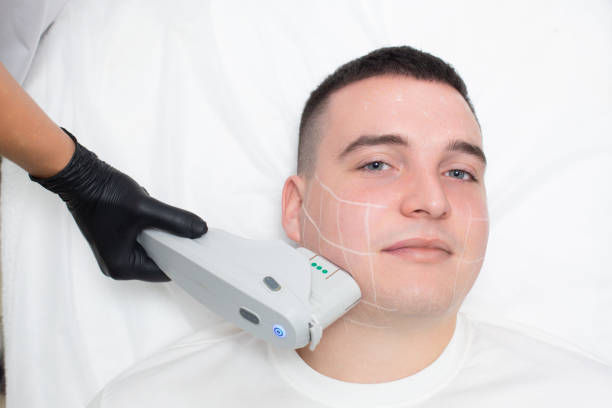
The Role of Pigment in Hair Reduction Effectiveness
Pigment is one of the most important factors in determining how effective beard laser hair removal is for dark hair. The higher the pigment concentration, the more responsive the hair tends to be during grooming progression.
This responsiveness allows for a more consistent influence on hair follicles over time. As the follicles adapt, they gradually reduce the thickness and density of regrowth. This creates a noticeable transformation in beard appearance as the process continues.
The interaction between pigment and structured grooming progression is what makes dark hair particularly suitable for visible long-term results.
How Dark Hair Changes Over Time
One of the most noticeable effects of beard laser hair removal on dark hair is the gradual shift in texture and density. Initially, the hair may appear thick and coarse, but over time it begins to grow back finer and less uniform.
This change does not happen instantly but develops progressively as the hair growth cycle is influenced through repeated grooming sessions. With continued progression, the beard area becomes more manageable and easier to maintain.
Eventually, the difference in density becomes more apparent, leading to a more balanced and structured beard appearance.
Visibility of Results in Dark Facial Hair
Dark facial hair often shows results more clearly compared to lighter hair types. This is because the contrast between hair and skin makes changes in density and texture more noticeable.
Even small reductions in hair thickness can be easily seen, especially in areas such as the jawline and chin. This visibility helps track the gradual transformation more clearly over time.
As regrowth becomes finer, the beard begins to appear more uniform, which enhances the overall grooming outcome.
Consistency and Long-Term Effectiveness
Consistency plays a major role in achieving effective results for dark hair. Since hair grows in cycles, repeated progression is necessary to influence different stages of growth. Over time, this leads to a more stable reduction in hair density.
With consistent grooming progression, more follicles enter a reduced growth state, which helps maintain long-term improvements. This results in slower regrowth and a more refined beard structure.
The cumulative effect of consistency ensures that results become more noticeable and long-lasting as the process continues.
Beard Definition and Styling Improvements
One of the key benefits of reducing dark facial hair is the improvement in beard definition. As hair becomes less dense in certain areas, facial features such as the jawline and chin become more prominent.
This allows for better control over beard shaping and styling. The beard can be maintained with clearer lines and more defined edges, creating a more structured appearance.
Over time, the reduction in excessive density also helps improve symmetry across the face, contributing to a more balanced look.
Challenges and Variations in Results
While dark hair generally responds well, results can still vary depending on individual hair characteristics and growth patterns. Some areas of the beard may respond more quickly than others due to differences in density and follicle behavior.
Coarser sections may take longer to show visible changes, while slightly finer areas may adapt more quickly. This variation is a natural part of the grooming process and contributes to the gradual transformation of the overall beard.
Understanding these differences helps set realistic expectations for how results develop over time.
Long-Term Grooming Benefits for Dark Hair
Over the long term, reducing dark facial hair leads to a more manageable grooming routine. As regrowth becomes finer and less frequent, daily maintenance becomes easier and less time-consuming.
The beard maintains its shape for longer periods, reducing the need for constant adjustments. This contributes to a more consistent and polished appearance with minimal effort.
In addition, the gradual refinement of hair texture helps create a smoother overall facial look, enhancing both appearance and grooming convenience.
Final Thoughts on Effectiveness for Dark Hair
Beard laser hair removal is generally highly effective for dark facial hair due to its strong interaction with natural pigment. The higher visibility and responsiveness of dark hair make it more suitable for noticeable and long-term grooming improvements.
Over time, dark hair becomes finer, less dense, and more controlled, leading to a more refined beard appearance. While results vary based on individual growth patterns, the overall trend shows consistent improvement in manageability and definition.
Ultimately, dark facial hair tends to respond in a way that produces clear and lasting grooming benefits, making it a strong candidate for those seeking structured beard refinement.
FAQs
Is beard laser hair removal more effective on dark hair?
Yes, dark hair tends to respond more noticeably because it contains more pigment, which interacts more strongly with the process.
Why does dark hair show results faster?
Because the higher pigment levels make changes in density and texture more visible during early stages.
Does dark facial hair become lighter after treatment?
It typically becomes finer and less dense rather than changing color significantly.
Can all areas of dark beard hair respond equally?
No, different facial areas may respond at different rates depending on hair thickness and growth patterns.
Is long-term improvement noticeable for dark hair?
Yes, over time dark hair becomes more manageable, less dense, and easier to maintain with a more refined appearance.
Comments